
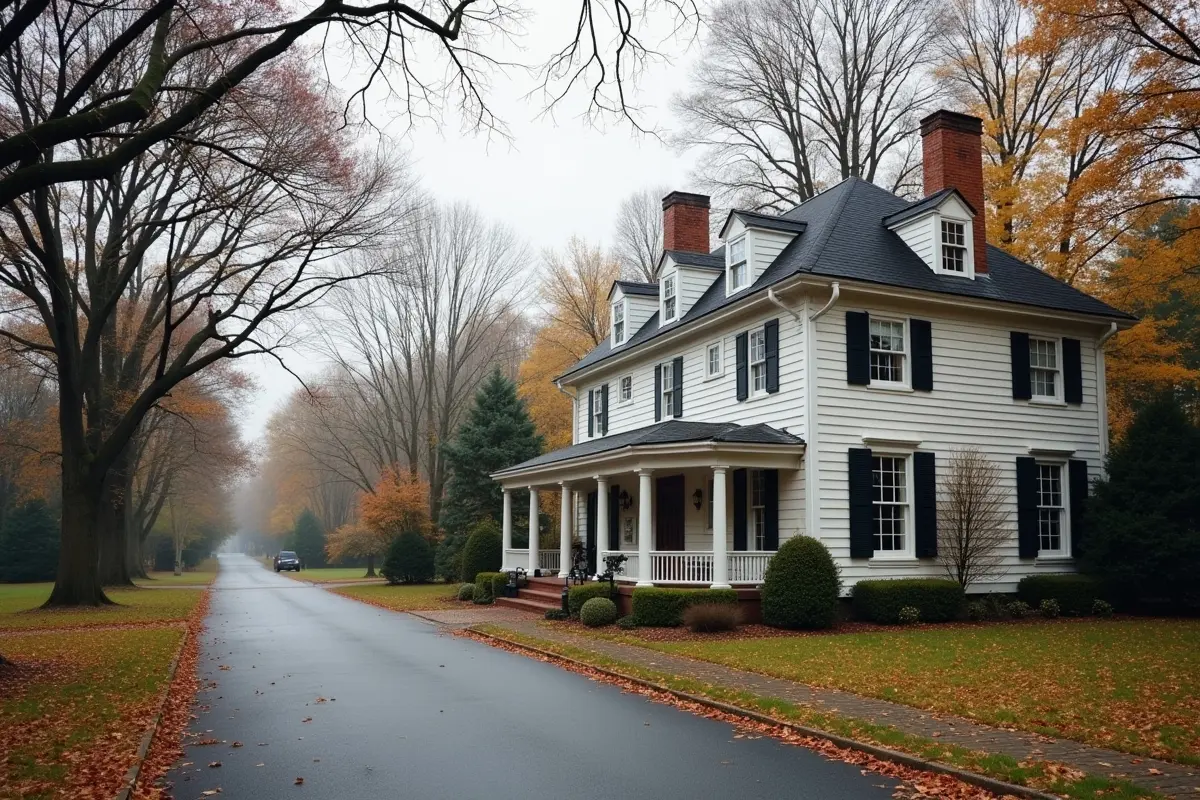
Historic, Suburban, or Rural Homes in Fredericksburg, Virginia: How to Choose the Right Fit
Buyers considering Fredericksburg, VA, homes for sale can find a wide range of property types, from homes near the city’s historic core to newer neighborhoods and larger parcels beyond town. Tracey Farmer provides a local property-search resource for Fredericksburg and the surrounding areas, including Spotsylvania, Stafford County, Orange County, King George, and Caroline County, helping buyers compare listings across the broader region.
That variety is a strength, but it also makes decision-making more involved. A home close to downtown may support a walkable routine and a shorter drive to restaurants or services. A newer home outside the city may offer more square footage and modern systems. A rural property may create the privacy and outdoor space a buyer wants, but it can require more hands-on planning.
Start With Lifestyle And Daily Needs
Square footage matters, but it does not tell the whole story. Start by picturing an ordinary weekday. Consider work schedules, school drop-offs, shopping, medical appointments, recreation, parking, and the time required to reach the places you use most. Fredericksburg-area buyers may also want to consider whether frequent travel toward Washington, D.C., Richmond, or nearby employment centers fits comfortably into their routine.
A Quick Lifestyle Worksheet
- How much commute time is acceptable on a typical day?
- Is a central location more valuable than a larger yard?
- Would ongoing maintenance feel satisfying or stressful?
- Will this property still work if household needs change in five to ten years?
What To Check In Historic Homes
Age alone does not make a home a poor purchase. Condition, maintenance history, renovation quality, and local rules matter more. Fredericksburg has a designated historic district, and the city’s Architectural Review Board oversees certain exterior alterations and new construction within that district. Before planning major changes, buyers should confirm whether the property is subject to review requirements.
During due diligence, review the roof, foundation, electrical panel, plumbing lines, heating and cooling equipment, windows, drainage, and the condition of the chimney. Ask for permits and records related to prior renovations. For homes built before 1978, buyers should also review required lead-paint disclosures and understand that older painted surfaces may need specialized care. The lead-based paint disclosure rule explains the information buyers of most pre-1978 homes should receive before signing a contract.
The Benefits And Limits Of Suburban Homes
Newer suburban homes can appeal to buyers who want open layouts, attached garages, sidewalks, and comparatively modern building systems. Neighborhoods outside the city may also place buyers closer to major roads, schools, retail areas, or community amenities. Still, newer construction deserves a full inspection. Water management, grading, incomplete finishes, artistry, and warranty details can all affect the ownership experience.
Photorealistic wide establishing shot of a Fredericksburg, Virginia residential area, showing a newer suburban home and surrounding neighborhood streets, sidewalks, mature trees, and distant open countryside in soft natural daylight, conveying the broader setting and scale of home-buying options. Review the homeowners’ association documents before making an offer.
Dues, architectural guidelines, rental restrictions, amenity rules, and possible special assessments can influence both monthly costs and flexibility. Also consider lot placement. A home backing to woods may feel private today, but future development plans, utility easements, or road expansion could change the setting.
What Rural Buyers Should Review
Rural homes near Fredericksburg and in the surrounding counties can offer land, quiet, outbuildings, and room for hobbies. They can also rely on systems that city and suburban buyers may not encounter. A private well, septic system, propane tank, gravel drive, private road agreement, or drainage feature should be understood before closing.
Ask who maintains the access road and whether there are shared expenses for repairs or snow removal. Confirm internet availability and cell coverage at the property itself, not just nearby. Review easements, flood considerations, fencing, wooded areas, and the practical work required to mow, maintain trees, care for outbuildings, or manage a larger lot.
Calculate The True Cost Of Ownership
Two homes with similar prices can create very different monthly budgets. Compare the full ownership picture instead of focusing only on the mortgage payment. Estimate property taxes, homeowners’ insurance, utilities, internet, HOA dues, road-maintenance fees, commuting fuel, and a reserve for routine maintenance.
- An older home may need earlier upgrades to systems or exterior components.
- A suburban home may have predictable HOA costs and utility bills, but less flexibility for exterior changes.
- A rural home may require a well, septic, driveway, fencing, or equipment expenses.
Build A Smart Inspection Plan
Begin with a general home inspection, then add specialists when the property calls for them. Older homes may justify further review of chimneys, structural movement, old wiring, moisture, and drainage. Rural properties often merit well water testing and septic system inspections.
New-construction buyers should inspect the property before closing and create a written list of unfinished or deficient items for the builder. Inspection findings do not automatically mean a buyer should walk away. They give buyers a clearer basis for negotiation, repair planning, and deciding whether the home remains a sound fit for their budget.
Compare Value And Resale Potential
Compare homes with similar locations, ages, sizes, lot characteristics, and conditions. Online estimates can be useful starting points, but recent comparable sales offer a more grounded way to evaluate a listing. Features such as a convenient location, usable outdoor space, updated systems, and practical layout may appeal to future buyers. Highly unusual features can be attractive, but may appeal to a narrower audience.
Make The Final Decision
Score each contender from one to five for location, monthly cost, condition, privacy, convenience, maintenance demands, resale appeal, and future flexibility. The highest total is not automatically the winner. The goal is to identify the property that best reflects your stated priorities. Whether that is a historic Fredericksburg home, a suburban property, or a rural retreat, a careful comparison can turn a broad search into a confident decision.
Conclusion
Choosing the right Fredericksburg home means balancing lifestyle, budget, property condition, and long-term plans. Whether you prefer a historic home, a newer suburban property, or a rural setting, each option has different costs, maintenance needs, and trade-offs.
By comparing neighborhoods, reviewing inspection findings, considering daily travel, and understanding ownership responsibilities, buyers can make a more informed choice. The best home is ultimately the one that fits your everyday life today while remaining practical for the years ahead.