
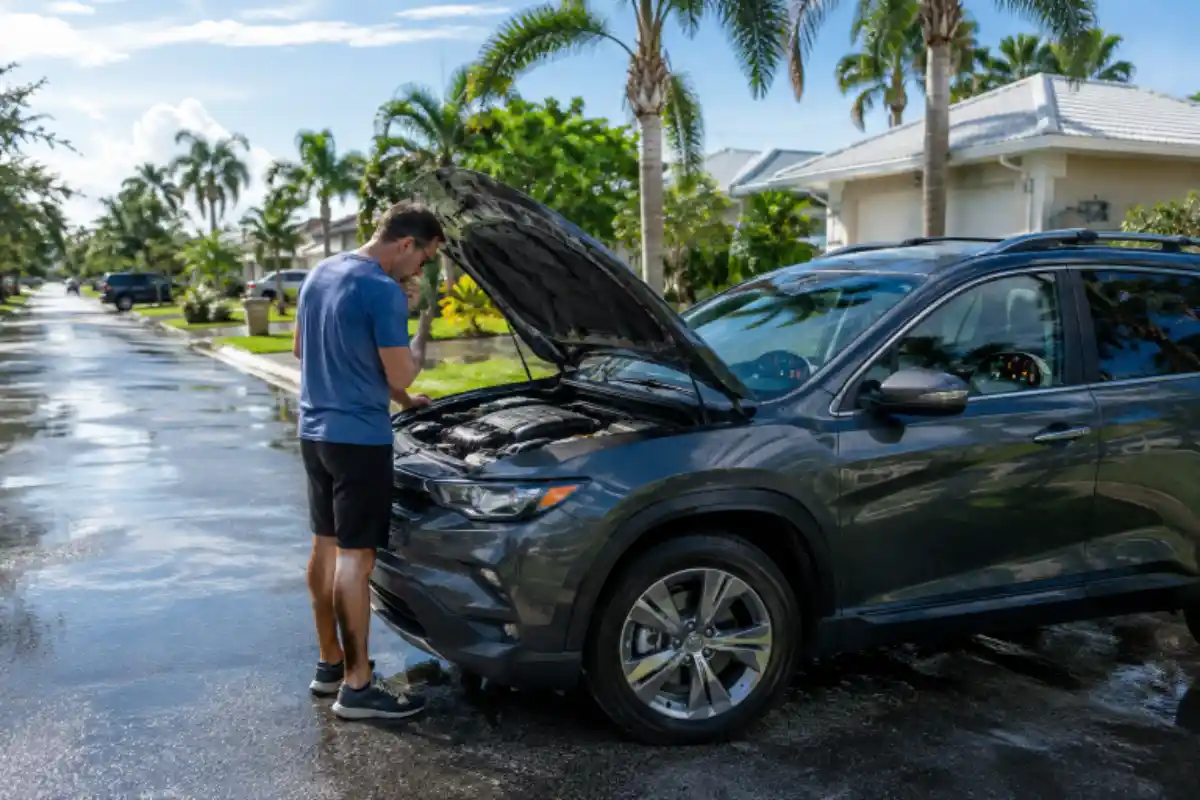
Early Signs of Vehicle Trouble: A Tampa, FL Driver’s Guide to Preventive Car Care
Tampa drivers rely on their vehicles for commutes, school runs, errands, beach trips, and travel during Florida’s intense heat and frequent rain. Paying attention to early warning signs can help prevent inconvenient roadside problems and make it easier to plan automotive repair & maintenance before a small concern becomes a larger one.
Modern vehicles combine mechanical parts with sensors, computer modules, electrical connections, and safety systems. A vehicle may still seem to run normally even as a tire, battery, cooling component, brake part, or fluid system begins to fail. Early inspection is not a guarantee against every breakdown, but it provides drivers with useful information to make safer maintenance decisions.
Why Early Car Care Matters in Tampa
Florida heat can place added demand on cooling systems, batteries, tires, and air-conditioning components. Heavy rain can also make tire tread, correct tire pressure, brake response, wipers, and exterior lighting especially important. When a new symptom appears, noting it early can help narrow down whether the issue occurs only while braking, turning, accelerating, idling, or driving in wet conditions.
Start With a Five-Minute Walkaround
A brief weekly inspection, and another before a longer drive, can help catch visible concerns. Park on level ground when possible, use good lighting, and avoid touching hot engine components.
If the walkaround reveals a concern that needs diagnosis, arranging auto repair can be more practical than waiting for a warning light or a no-start situation.
Warning-light designs vary by vehicle, so the owner’s manual should always guide the response. In general, red lights and flashing warnings call for more caution than informational messages or steady amber reminders.
- Check engine light: A steady light can indicate many engine or emissions system issues. A flashing light may indicate a more urgent fault, particularly if the vehicle shakes, loses power, or runs roughly.
- Oil pressure light: Safely pull over as soon as practical. Continuing with inadequate oil pressure can damage an engine.
- Temperature warning: An overheating engine should be allowed to cool. Never open a hot radiator cap or coolant reservoir.
- Brake warning light: This may involve the parking brake, brake fluid level, or another brake-system concern.
- Battery or charging light: The battery, alternator, wiring, or another part of the charging system may need inspection.
- Tire-pressure light: Check all tires, including the spare if the vehicle monitors it. Tire pressure should match the vehicle manufacturer’s recommendation, not the maximum number printed on the tire sidewall.
Drivers who want a broader list of symptoms can review common warning signs that may indicate a vehicle needs attention before scheduling an inspection.
Sounds and Feelings That Should Not Be Ignored
The location, timing, and type of a sound can be useful clues. Squealing or grinding during braking may indicate worn brake parts. Clicking while turning can indicate an axle or CV joint issue. A whine under the hood may be caused by a belt-driven accessory, pulley, or charging component.
Also pay attention to changes in feel. Shaking while braking may be connected to brake, tire, wheel, or suspension concerns. Pulling to one side can result from uneven tire pressure, alignment issues, or brake problems. Slow cranking at startup can indicate a weak battery, a charging problem, a starter issue, or a corroded connection.
Fluids, Leaks, and Overheating
Fluid color alone cannot confirm the source of a leak. Engine oil may be amber, brown, or black. Coolant comes in several colors. Brake fluid can darken with age, and transmission fluid may change in appearance or odor when overheated. Water dripping under the vehicle after using the air conditioning can be normal, but an oily, brightly colored, or rapidly growing puddle warrants attention.
Keep an eye on the temperature gauge or temperature warning. If the engine overheats, pull over safely, switch off the engine when appropriate, and allow the vehicle to cool. Do not add coolant or open pressurized cooling-system components while they are hot.
Brake, Tire, Suspension, Battery, and Electrical Checks
Brakes, tires, and suspension components directly affect stopping, steering, and road control. Watch for a soft or unusually low brake pedal, repeated brake noise, excessive bouncing over bumps, nose-diving during stops, or clunking from the suspension. Florida rain also makes tire condition particularly important. The federal government’s tire maintenance guidance emphasizes checking pressure, tread, and tire condition as part of safe driving.
Electrical symptoms can be less obvious. Dimming headlights at idle, slow power windows, repeated jump-starts, battery-terminal corrosion, or several warning lights appearing together can signal a battery or charging-system issue. Avoid attempting repairs to damaged wiring, high-current connections, or hybrid and electric vehicle systems without proper training.
A Simple Maintenance Schedule
Each Week
- Check tire condition and pressure.
- Look for new leaks, exterior damage, or burned-out lights.
- Pay attention to changes in starting, braking, steering, or handling.
Each Month
- Check engine oil and accessible fluid levels according to the owner’s manual.
- Inspect wiper blades and refill windshield washer fluid as needed.
- Look at battery terminals, hoses, and belts for visible wear or damage.
At Recommended Service Intervals
- Follow manufacturer guidance for fluids, filters, tire rotation, and inspections.
- Keep maintenance records and note upcoming service reminders.
- Ask for brakes, steering, suspension, and exhaust components to be inspected when symptoms or scheduled service warrant it.
When to Stop Driving
Stop driving and seek help if the engine overheats, the brake pedal sinks or responds abnormally, heavy smoke appears, a strong fuel smell develops, steering suddenly becomes difficult, or the vehicle cannot maintain a straight path. Pull over safely if a warning light flashes, accompanied by shaking, power loss, or unusual engine noise.
Preparing for a Repair Visit
Write down when the problem began and what conditions trigger it. Take a photo of any warning light, leak, or visible tire damage when it is safe to do so. Bringing maintenance records can help explain recent work. During the visit, ask which repairs are urgent, which can be planned, and what symptoms should prompt an immediate return.
Common Questions About Car Maintenance
Can a vehicle need repairs without a warning light?
Yes. Tire wear, brake noise, fluid leaks, suspension wear, and damaged wiper blades may not trigger a dashboard warning.
How often should a vehicle be serviced?
The correct schedule depends on the vehicle, mileage, age, driving conditions, and manufacturer recommendations. Start with the owner’s manual.
Is a small fluid leak safe to ignore?
Not always. Even a small leak can worsen or lower the fluid level needed to protect an important system.
Conclusion
Good vehicle care begins with noticing small changes. A fresh puddle, a warning light, an unfamiliar sound, a weak start, or a handling change can provide an early opportunity to address a problem. With regular checks and prompt attention to serious symptoms, Tampa drivers can approach routine car care with greater confidence.