
The Enduring Appeal of Metal Doors in Modern Architecture
In today’s architectural landscape, metal doors are acclaimed for their strength and versatility. Once considered purely functional, they now serve as both protective features and design statements across a variety of building types. Whether for residential, commercial, or industrial properties, the adaptability and reliability of Metal Doors have made them a top choice for both builders and property owners.
This article delves into the key benefits of metal doors, discussing their durability, security attributes, energy efficiency, fire resistance, and aesthetic flexibility. It also explores their relevance in sustainable architecture and the contributions they make toward environmentally conscious construction practices.
The evolution of metal doors reflects a growing demand for products that deliver on both performance and appearance. With a focus on sustainability and minimal maintenance needs, metal doors stand out as a wise investment for the future of building design.
For those planning a new building or retrofit, the process of Door Installation can shape not only security but also the visual identity of a space. This makes material selection and expert installation essential considerations.
Durability and Longevity
Metal doors are favored by architects and builders due to their exceptional ability to withstand the rigors of everyday use and harsh environmental conditions. Unlike traditional wooden doors, metal options are immune to problems such as warping, splitting, or termite damage. This inherent toughness means they offer a service life far beyond alternative door materials, resulting in fewer replacements and reduced lifecycle costs.
Furthermore, advances in coatings and treatments for metal surfaces have greatly improved their resistance to rust and corrosion. Galvanized steel and powder-coated finishes help shield doors from moisture and UV exposure, increasing their longevity even in challenging outdoor environments. This extended lifespan not only benefits the building owner in terms of cost savings but also reduces construction waste over time.
In multi-unit dwellings and high-traffic commercial spaces, the ability of metal doors to handle repeated use without deterioration is particularly valuable. Their endurance ensures that the entryway remains both functional and secure for years, even as usage demands fluctuate. Additionally, the robustness of metal construction allows for larger, heavier doors and custom sizes, expanding possibilities for architects without compromising durability.
Enhanced Security
The solid construction of metal doors provides a formidable barrier to unwanted entry. Steel doors, in particular, are recognized for their ability to resist forced entry and vandalism. Enhanced locking mechanisms and reinforcements elevate the security level, offering peace of mind to both residential and commercial property owners. These factors contribute significantly to a building’s overall safety profile, which is a growing concern in urban and suburban developments worldwide.
The integration of advanced technologies has also made metal doors more secure than ever before. Many models now accommodate electronic access systems, biometric locks, and alarm triggers, making them suitable for environments that require a heightened level of protection. Even natural disasters such as storms and fires demand reliable entry points—another situation where the inherent strength and stability of metal doors offer superior performance compared to other materials.
Energy Efficiency
Modern metal doors are frequently constructed with energy conservation in mind. Many feature insulated cores crafted from foam or mineral wool, which provide superior thermal resistance. This insulation minimizes heat loss during winter and prevents excess heat gain in summer, helping to stabilize indoor temperatures and reduce the strain on HVAC systems. Over time, the result is noticeable savings in energy bills and a smaller environmental footprint.
In addition to temperature regulation, quality weatherstripping seals further enhance the energy performance of metal doors by preventing drafts and moisture infiltration. This detail not only increases energy efficiency but also helps maintain comfort levels in every season. As energy costs continue to rise and environmental concerns grow, the focus on high-performance entryways like metal doors becomes ever more pertinent to sustainable building practices.
Fire Resistance
Building codes increasingly mandate the use of fire-resistant materials in both residential and commercial constructions. Metal doors, when manufactured with fire-rated cores and frames, can withstand high temperatures and delay the spread of flames. This critical attribute not only improves occupant safety but is often a requirement for meeting local fire safety standards. For current regulations and general fire safety tips, reference the National Fire Protection Association.
It’s important to recognize that metal doors are available in different fire ratings, typically ranging from 20 minutes to three hours. Selecting a door that meets the specific requirements of your project ensures compliance with legal standards while prioritizing the safety of building inhabitants. Fire-rated metal doors are an integral part of comprehensive risk management in schools, hospitals, and high-occupancy structures.
Design Versatility
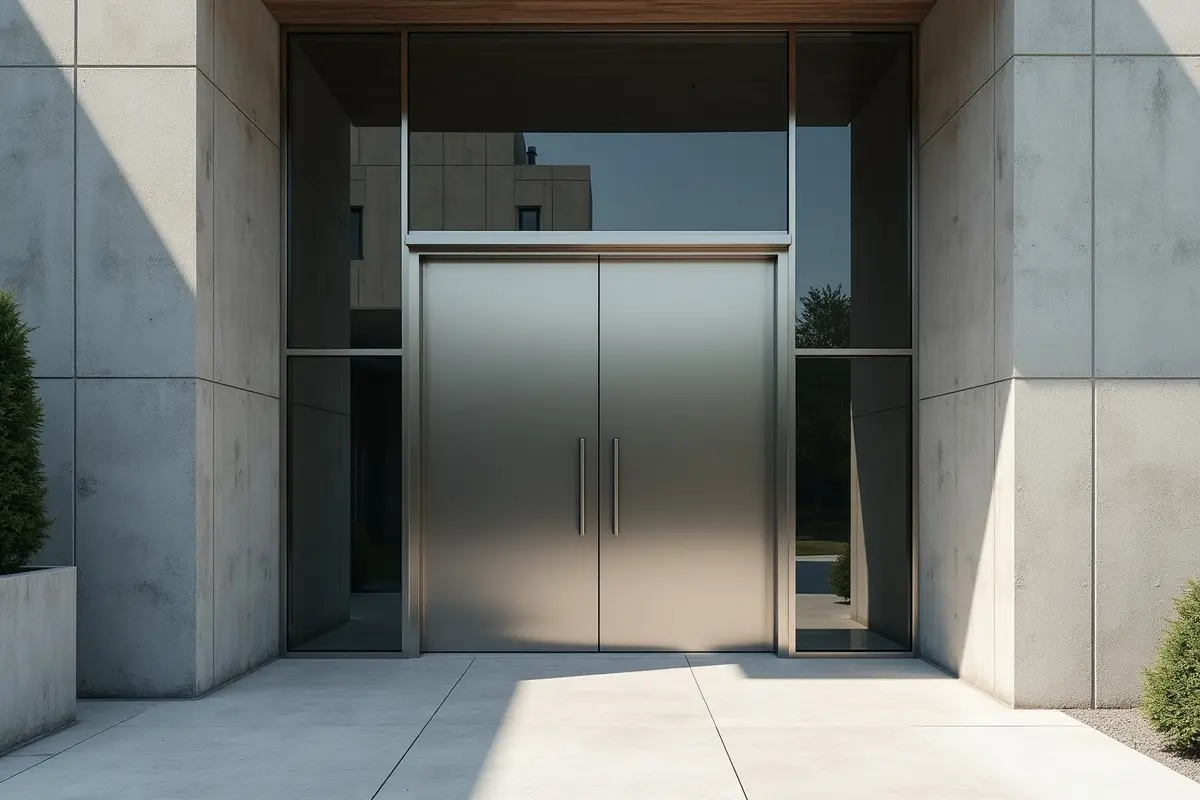
Contemporary metal doors are available in a range of finishes, colors, and styles, enabling tailored solutions for nearly any architectural concept. From sleek, minimalist entries to ornate, period-inspired designs, metal doors can be powder-coated, textured, or combined with glass panels. This versatility allows architects and designers to choose doors that complement facades and interiors without sacrificing function for form.
Custom fabrication options further elevate creative potential, opening the door to unique patterns, embossed details, or branding elements for commercial applications. The flexibility of metal as a material means it can seamlessly integrate into modern, industrial, or traditional designs—making it an ideal solution for renovation projects as well as new builds that aim for a cohesive visual language across all architectural elements.
Low Maintenance
One of the key advantages of metal doors is their low upkeep requirements. Unlike wood, which may require periodic staining, sealing, or painting, metal doors are easily cleaned and resistant to common damages such as rot and insect infestations. Occasional cleaning and basic inspections help keep them in prime condition, further reducing the need for costly repairs or replacements over their lifespan.
Property owners can expect years of flawless performance with only minimal attention, as robust finishes limit the need for refinishing and protect against everyday scratches or dents. The nonporous surface of metal also inhibits mold, mildew, and bacterial growth, an important consideration for doors installed in healthcare, food service, or educational environments where hygiene is paramount.
Environmental Sustainability
Many metal doors now feature high recycled content and are themselves recyclable at the end of their useful life. The use of recycled steel and aluminum aligns with green building initiatives and reduces demand for new raw materials. Additionally, the energy-saving properties of insulated metal doors support long-term sustainability goals. The inclusion of these doors in building designs helps projects achieve green certification benchmarks and lessens the overall carbon impact of construction.
Lifecycle analysis also demonstrates that the extended durability and infrequent replacement of metal doors lead to significant resource conservation over time. Choosing metal doors with environmental certifications can further qualify construction projects for LEED (Leadership in Energy and Environmental Design) or ENERGY STAR credits, supporting both regulatory compliance and corporate responsibility efforts.
Conclusion
Metal doors have firmly established themselves as a cornerstone in contemporary architecture. Their combination of strength, security, energy efficiency, and visual attractiveness offers both immediate and long-term value to a wide range of building types. For property owners and developers, investing in metal doors is a practical choice that benefits security, aesthetics, finances, and the environment alike. By understanding their benefits and options, professionals can ensure thoughtful and effective integration into modern architectural projects.
As construction standards evolve and the push for higher-performing, sustainable materials continues, metal doors remain at the forefront of industry preference. Their proven track record in diverse climates, usages, and building designs makes them a reliable selection for those seeking to optimize building function without compromising on beauty. For anyone considering door upgrades or planning future developments, consulting an experienced supplier can help unlock the full potential of modern metal doors in your next project.