
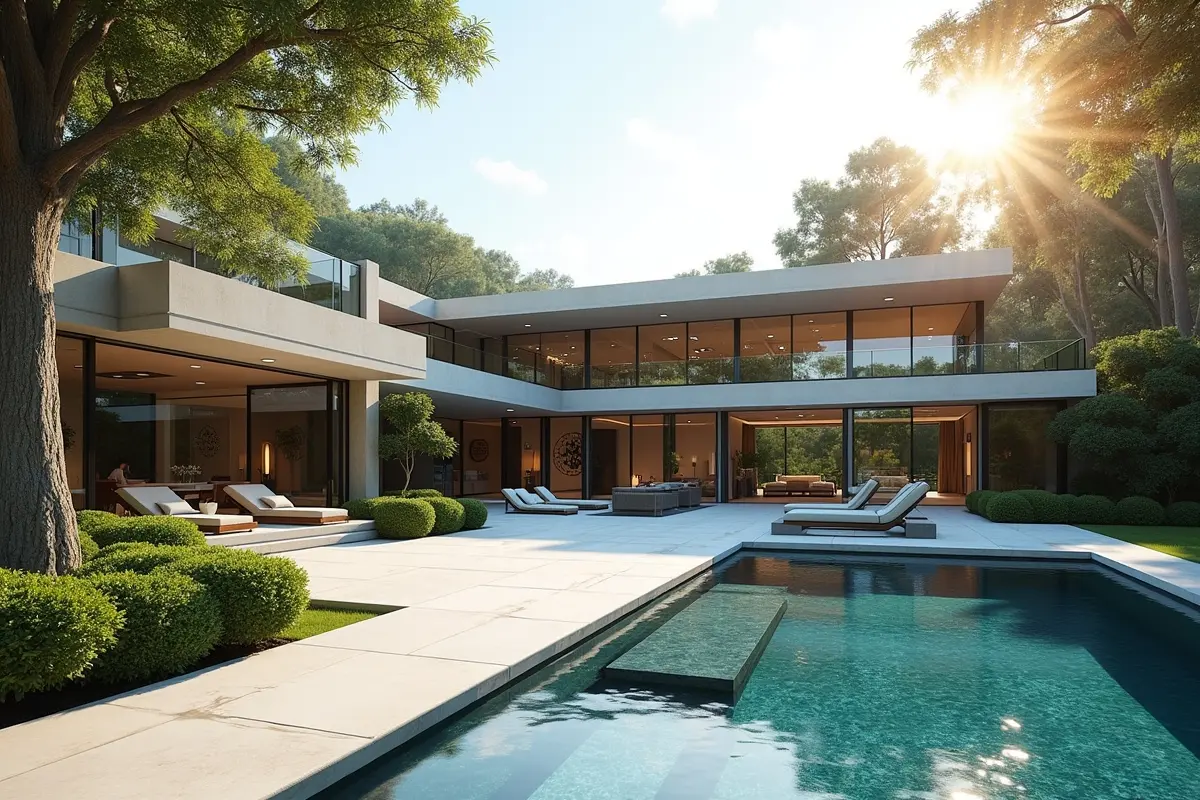
Luxury Real Estate Trends and High-End Living in 2026
As affluent buyers seek elevated lifestyles and greater value from their homes, the luxury real estate market is experiencing a significant transformation. Luxurious living now means more than simply acquiring an impressive property; buyers expect a curated experience, tailored amenities, and a connection to both their personal values and the natural world.
Whether purchasing a primary residence in a vibrant city or a serene investment property in an exclusive locale, understanding these nuanced shifts in high-end living standards is essential for making informed decisions that stand the test of time.
For those interested in the evolving landscape of high-end properties, consulting Miami, FL, real estate experts Faena Residences provides local expertise and a keen understanding of what discerning buyers want most. These professionals offer not only a sharp eye for design but also deep knowledge of which amenities and innovations are most appealing to today’s wealthy clientele, ensuring a bespoke buying experience.
With influences ranging from health and technology to sustainability and art, the luxury market in 2026 is setting new expectations on a global scale. These changes are reshaping not just homeowners’ lifestyles, but also the very design and construction principles behind elite residences.
Contents
Wellness-Centered Homes
Leading the movement in luxury living is an unwavering focus on health and wellness, woven seamlessly into every aspect of a home. Today’s luxury buyers no longer seek just style—they desire living environments that actively promote well-being and longevity. Residences increasingly boast amenities once reserved for five-star resorts, such as dedicated spa facilities, immersive hydrotherapy suites, and private yoga studios with panoramic views.
Advanced air purification systems and circadian lighting that mimic natural daylight patterns help residents maintain optimal physical and mental health. Meditation gardens, indoor-outdoor wellness courtyards, and spaces for holistic therapies further encourage rejuvenation, making every day feel like a retreat that soothes both mind and body.
As highlighted in Green Living Magazine, this shift toward wellness-oriented design is transforming how architects and developers approach high-end residential spaces, blending cutting-edge technology with biophilic design principles to create homes that nurture both the body and the mind.
Furthermore, the emphasis on wellness extends to invisible details. Water filtration, low-emission building materials, and acoustic optimization are now considered essential elements. Home layouts are designed to maximize sunlight and encourage connectivity with nature, often featuring lush green walls and seamless transitions between indoors and out. This comprehensive approach reflects a new standard of luxury defined by thoughtful, health-centered living.
Advanced Smart Home Integration
The future of luxury real estate is intertwined with technology, raising the bar for convenience and operational efficiency within the home. Ultra-high-net-worth buyers expect residences equipped with cutting-edge innovative systems that deliver unprecedented control at their fingertips.
Properties now offer AI-driven platforms that learn occupants’ daily rhythms, such as preferred room temperatures, lighting schedules, and even music preferences, automatically adapting the environment for maximum comfort. Security, climate, and entertainment systems are all seamlessly integrated, accessible via voice commands or user-friendly apps that function remotely, exemplifying what is widely known as a smart home.
Beyond the basics, luxury homes in 2026 often include intelligent kitchen appliances that suggest recipes or automate grocery shopping, as well as personalized fitness equipment linked to wearable health data. Smart glass that tints on demand, digital art walls, and even AI-assisted cleaning devices are becoming commonplace. By integrating these intelligent devices within elegant design, luxury homes not only anticipate occupant needs but also simplify day-to-day living, redefining what it means to live in style and comfort.
Sustainable Luxury
The demand for environmental responsibility is pushing the boundaries of sustainable design within the luxury sector, as conscientious buyers prioritize green credentials alongside prestige. High-end properties increasingly use non-toxic, locally sourced building materials and finishes, supporting both planet and community.
Energy-efficient appliances, solar panels, and innovative battery storage systems are fundamental, making clever use of renewable sources to power sprawling homes. Green roofs and living walls help regulate temperatures while providing beautiful, calming vistas, and advanced water recycling systems significantly reduce consumption.
Features such as LEED certifications, underfloor heating powered by geothermal energy, and electric vehicle charging stations are quickly becoming marks of status and forward-thinking design. This environmentally conscious shift not only reduces the ecological footprint of luxury properties but also appeals to buyers intent on leaving a positive legacy.
Multifunctional Living Spaces
Affluent homeowners are embracing the transformative power of multifunctional spaces, an essential trend that was accelerated in recent years by shifting lifestyle needs. Demand has surged for adaptable rooms that can shift purpose to meet the owner’s changing activities—sometimes on a daily basis. Luxury residences now frequently include offices that double as guest suites, personal fitness rooms that transition into wellness spas, and home theaters that can be converted into sophisticated entertaining lounges at a moment’s notice.
This new flexibility allows residents to make the most of every square foot, reflecting a philosophy that values both practicality and refined aesthetics. Custom partitions, concealed storage, and modular furniture enable instant reconfiguration, ensuring that even the most extravagant homes remain intelligently functional and responsive to modern living challenges.
Home design now emphasizes versatility, making luxury properties suitable for evolving work-from-home arrangements, family needs, and lifestyle pursuits without compromising the elegance that defines high-end real estate.
Artisanal and Custom Design
Modern luxury buyers, many of whom have traveled extensively and experienced the world’s best, are turning away from mass-produced finishes in favor of truly unique, handcrafted details. Artisanal materials—such as hand-carved stone fireplaces, intricately inlaid wood flooring, and custom hardwood cabinetry—serve as hallmarks of authenticity and enduring charm.
Bespoke metalwork, stained-glass panes, or even hand-painted murals reinforce a sense of individuality and tradition within the home, elevating everyday living spaces into showcases of personal taste and cultural appreciation.
These finely crafted elements differentiate luxury properties from mainstream offerings, turning homes into living works of art and places of comfort. As appreciation for the tactile, storied nature of custom design grows, expect ever-greater collaboration between elite clients and artisans in the years to come. Owners now often commission master craftsmen to create signature features—from dramatic staircases to exclusive light fixtures—resulting in residences with a legacy of artistry in every corner.
Enhanced Security Features
As the value and visibility of luxury homes grow, so too does the need for advanced, elegant security measures. Modern estates now feature biometric entry systems, perimeter facial recognition cameras, and AI-powered surveillance platforms that learn to detect subtle anomalies in activity. Secure panic rooms are often integrated seamlessly into home designs, offering not just peace of mind but a sense of true sanctuary. In addition to robust, invisible physical protection, many properties also feature cybersecurity protocols to defend against digital threats, ensuring privacy in an increasingly connected world.
Importantly, these advanced features are seamlessly integrated into beautiful architectural settings, preserving aesthetics while providing state-of-the-art safety. Whether the buyers are public figures or simply individuals who value discretion and protection, the expectation for top-tier security will continue to shape the identity of luxury living in the years ahead.
Conclusion
A thoughtful blend of wellness, innovative technology, eco-friendly innovation, flexible design, and personalized artistry will mark the luxury real estate market of 2026. Each aspect of high-end living is being scrutinized and redefined to exceed the expectations of a discerning global clientele. Aspirational buyers are encouraged to seek homes that not only inspire but also adapt, endure, and protect—a refreshed standard for opulence, comfort, and peace of mind.
This new era encourages individuals to look beyond mere extravagance, instead valuing craftsmanship, longevity, and ethical stewardship as cornerstones of true luxury. As customized living, technological integration, and ecologically sound design become the norm, high-end real estate will continue to push boundaries and set new standards for an exceptional quality of life.