
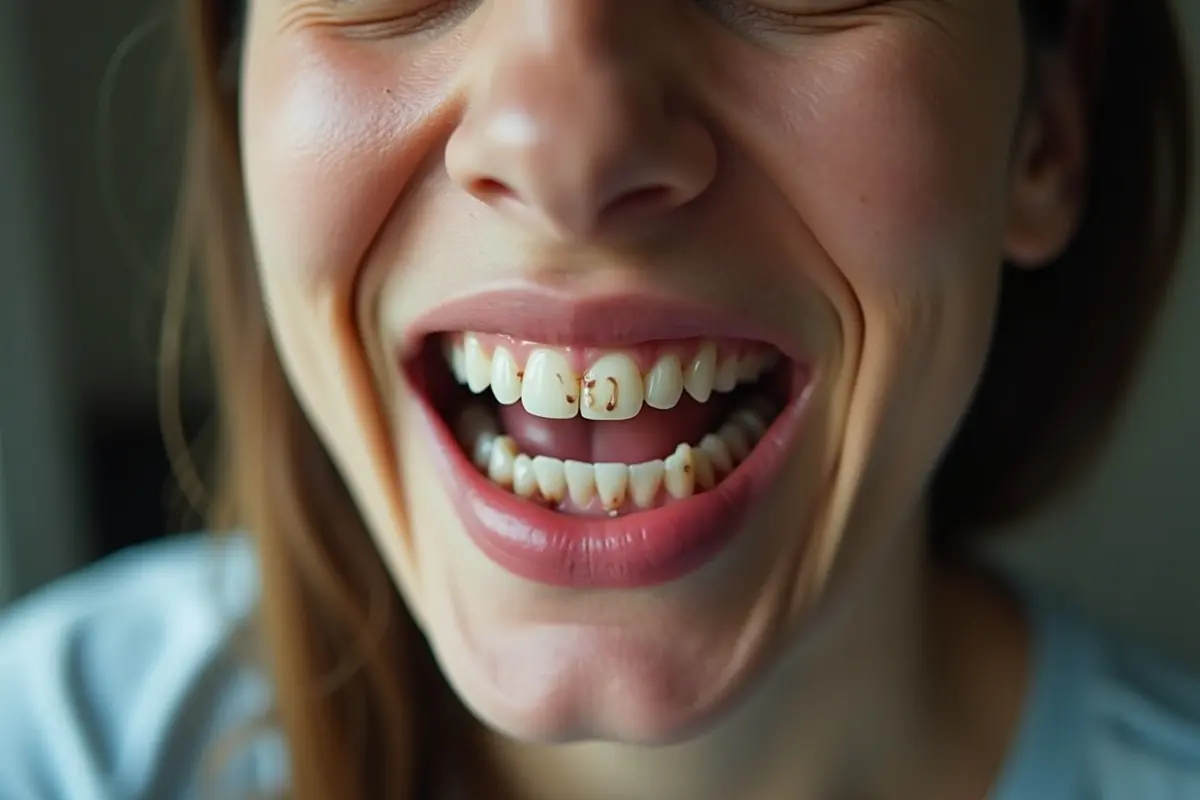
The Dental Symptoms Most People Ignore Until They Can’t Anymore
Most of us have done it. That little twinge when chewing ice, the slightly bloodier gum when brushing, the sensitive tooth. It happens, and we’re busy. It’ll probably go away. We’ll just keep an eye on it.
But tooth pain doesn’t really go away. Teeth are actually quite good at signaling their discomfort from inside a person’s mouth, but most signs are subtle. It’s not until those signs are too glaring to be ignored that someone is faced with a situation requiring more complicated care that could have otherwise been a simple fix.
Contents
When Sensitivity Is More Than Sensitivity
Sensitivity is one of those symptoms that one might ignore in the end. Everyone gets a jolting feeling from ice cream once and again, right? Wrong. There’s a difference between occasional sensitivity and sensitivity that starts to become a pattern or a pattern in need of avoidance measures.
When teeth respond to hot or cold—especially cold—it’s a sign that the nerve is exposed either because the protective covers are eroding or because decay is advancing from outside in. The nerve is becoming in contact with situations it should not come in contact with. Yet some patients endure this for months, switching to sensitivity toothpaste and dodging treats, while the problem brews underneath.
In reality, if patients would recognize this sooner, they’d need fillings or other simple preventative methods. When the pain gets to be unbearable, that means the canal is too deep and now more time and resources are necessary for more complicated procedures. When these situations occur where dental pain is acute or unbearable, having access to an Emergency Dentist in Cannington can help provide fast pain relief before any further developments.
That Gum That Bleeds A Little Bit
Bleeding gums are not out of the ordinary, and most people don’t think twice about them when they see a little pink in the sink after brushing. It happens sometimes, especially if you’ve been scrubbing a little too hard or avoided flossing for days.
Yet gums that bleed consistently—especially with gentle brushing—are inflamed. That inflammation is caused by bacteria collecting in that soft tissue surrounding the teeth. When left alone, this inflammation progresses into gum disease. But it’s not just the gums that take note. The bones holding the teeth in place receive detrimental impacts as well.
Insolvable within the advanced stages of this disease, early intervention is vital. The early, early stage is reversible with careful cleaning. However, the subsequent stages tend to make people wait for years before addressing it because gum tissue doesn’t hurt until it gets comfortable.
Pain That Comes and Goes
This one is the biggest lies of them all! A tooth hurts for two days and then calms down. Who needs to go to the dentist? It clearly worked itself out.
Not exactly.
Dental pain that goes away does not mean that the dental problem went away. In fact, it might mean that the nerve in the tooth has died, and now there’s no feeling for it to resurface with pain. The decay/infection that’s causing it is still there, benignly growing worse and worse.
Alternatively, people find pain returning because of pressure or cold—for example—a chipped tooth acting as a fractured area begging for attention. Each time that pain flares up—and calms down—people convince themselves it isn’t such a big deal. But this frequently occurs until one day it doesn’t go away…and it’s worse than it ever was before.
Swelling In A Tooth That Doesn’t Seem Like Much At All
Some minor puffiness around a tooth or gum line isn’t much concern for people going about their day as long as it doesn’t hurt tremendously. Yet swelling is indicative of infection; and once something in a mouth gets infected, it doesn’t solely stay infected in one area.
What starts as mild swelling can quickly transverse into an abscess—a pocket of infection—and it can compound how someone feels generally. Some note intermittent swelling over months or weeks without recognizing each time swelling occurs, it’s probably representing an even greater extent of discomfort underneath.
The Crack You Can Feel With Your Tongue
Few things are worse than noticing something’s chipped and feeling a rough end with your tongue. And if it doesn’t hurt, people tend to leave it be for now. But cracked teeth allow bacteria inside—and they can reopen further and further down the line until too late.
Something that could have been bonded becomes separated beyond saving—and it’s worse once chipped or cracked beyond recognition; sometimes a tooth even becomes splintered completely away.
It’s never a good idea to challenge what chips should be repaired—teeth are always under constant pressure; hairline cracks can create extreme fractures when bitten with pressure against them.
Why This Matters
The key takeaway among all these symptoms is recurring—small symptoms are easy to dismiss but grow increasingly complicated to treat when left alone. Ideally this is not fear mongering; this is reality.
Teeth are remarkably strong—but they cannot heal on their own like other parts of the body can heal. A cavity will never work itself shut. Infected tissue will never recover without help. It always makes sense to address problems sooner rather than later because repair methods become easier and less invasive the sooner they’re successful.
When people become more aware of what their teeth are saying—and getting curious about things that are persistent—people will avoid bigger issues down the line.