
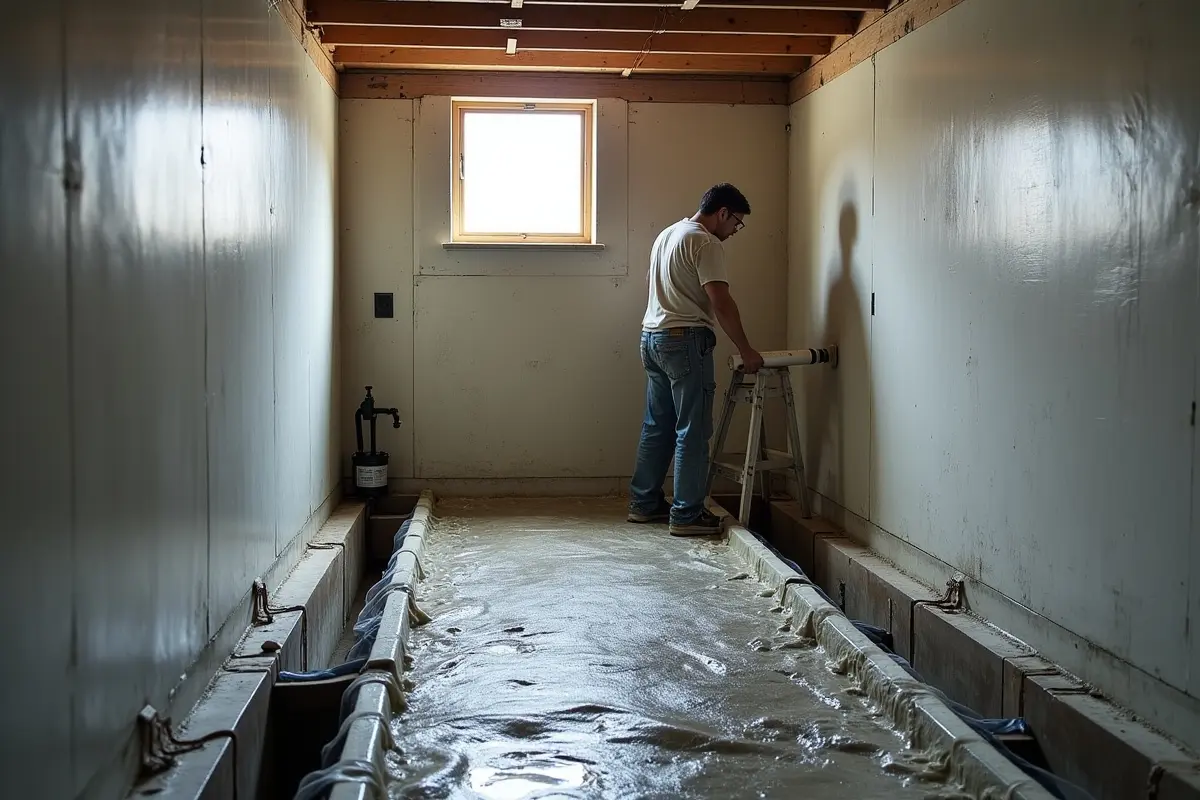
Basement Waterproofing in Albany, NY: Protecting Your Home from Water Damage
Homeowners in Albany, NY, face a higher risk of basement water intrusion due to the region’s mix of heavy precipitation, snow, and fluctuating groundwater levels. Persistent moisture can wreak havoc on a foundation, encourage mold growth, and reduce indoor air quality. With these local climate challenges, it is crucial to evaluate waterproofing solutions that protect your household from ongoing water damage and structural issues.
Unaddressed water seepage can stain floors and walls, warp wooden structures, and even compromise the overall stability of your home. Effective waterproofing is not simply a convenience but a protective investment against a range of potentially serious and costly issues that may occur if water problems are left unchecked.
The high humidity levels in upstate New York make homes especially vulnerable to mold outbreaks when water invades basements or crawl spaces. Beyond comfort and property concerns, waterproofing is essential for maintaining good health by preventing mold spores from spreading throughout your living space.
After water enters a basement, the removal process often involves several methods, including pumps and drainage channels. Homeowners looking for added protection may consider specialized systems, such as sump pumps, to manage and discharge excess water before it causes harm efficiently.
Common Causes of Basement Water Intrusion
The threat of water in the basement can originate from a variety of sources. These include:
- Poor Drainage: Ground sloping toward your house, clogged gutters, and inadequate drainage can channel water directly to your foundation.
- Foundation Cracks: Over time, concrete and masonry may develop cracks that serve as entry points for water.
- High Groundwater Levels: After heavy rains or spring thaws, increased hydrostatic pressure may force water through even small gaps in basement walls or floors.
Identifying the source of moisture is the first step toward developing a lasting waterproofing solution. Fixing grading, patching cracks, and installing drains are among the most effective ways to address specific causes of water intrusion.
According to the This Old House guide on basement waterproofing, many older homes exhibit chronic moisture that requires both short- and long-term management strategies.
Interior vs. Exterior Waterproofing Methods
Interior Waterproofing
Interior waterproofing tackles water that has already seeped into the basement. Common techniques are:
- Sealants: Liquid membranes and waterproof coatings applied to concrete walls help block moisture penetration.
- Drainage Systems: Interior French drains and perimeter drains, combined with sump pumps, help collect and channel water away from the foundation for removal.
Exterior Waterproofing
Prevention at the source is the focus of exterior methods, which can include:
- Excavation: Digging around the home’s perimeter to install or repair waterproof barriers and backfilling with gravel or other drainage materials.
- Proper Grading: Landscaping adjustments that direct runoff away from your home, reducing the risk of foundation exposure to water.
Additional techniques may include window well covers, downspout extensions, and landscaping features designed to efficiently route surface water away. If you’re seeking more in-depth technical information, the This Old House guide to basement waterproofing options outlines pros, cons, and best practices for both approaches.
Cost Considerations for Basement Waterproofing
The cost of basement waterproofing in Albany depends on your chosen method, the extent of the existing problem, and the size of your basement. On average, labor and materials for a typical project may range between $1,526 and $1,593. Complex cases involving significant foundation repairs or complete drainage overhauls will further elevate costs. Factors influencing price include accessibility, material durability, and whether interior or exterior work is needed.
Smaller repairs, such as sealing cracks with specialized epoxy or applying a waterproof coating, are more affordable but may not address larger water-management issues. For comprehensive solutions, especially in older or heavily damaged properties, external drainage and membrane systems represent a more significant investment but provide permanent protection.
Benefits of Investing in Basement Waterproofing
Securing your basement with high-quality waterproofing yields several long-term benefits:
- Preservation of Structural Integrity: By keeping water out, you prevent cracks, erosion, and damage to foundational supports.
- Prevention of Mold and Mildew: Since damp basements are a leading cause of mold, reducing moisture greatly improves the air quality in your living spaces.
- Enhanced Property Value: Dry basements are attractive to buyers, reassuring them the home is well-maintained and secure from one of the most common sources of hidden damage.
Other benefits include protection of personal belongings stored in basements, reduction in allergens, and overall peace of mind during the wettest months.
Choosing the Right Waterproofing Solution for Your Home
The best approach for basement waterproofing depends on a range of personalized factors. These include the water table in your area, the construction and age of your home, the source of water, and your available budget. Having a professional inspection ensures that both existing problems and potential future threats are addressed, using durable materials and proven techniques. A reputable contractor will be able to walk you through your options and suggest a tailored approach.
Conclusion
For Albany homeowners, basement waterproofing is not just a preventive measure; it is an investment in the long-term stability of the home. By understanding the sources of water intrusion and selecting the right combination of waterproofing strategies, you can avoid costly repairs and health risks while protecting your property for the future.